I started reading a book today called Video Marketing (2nd edition) by Jon Mowat. In about an hour I only got through the first 26 pages, plus a few notes from another chapter further in. Here are the notes that stuck with me.
The Future Is Video
Nicola Mendelsohn, VP of Facebook in Europe, said, “The future is video, video, video.”
Mark Zuckerberg said, “We see a world that is video first, with video at the heart of all our apps and services.”
These words hit me hard. I have been posting videos on YouTube since 2016. That is over a decade. About 3% of my videos go on TikTok, but I rarely post on Instagram and Facebook. Meanwhile, I probably spend more time on Instagram than on any other social platform.
So I am making a serious note to start tonight. I will post on both Instagram and Facebook.
This is what reading a book does for you. It is as simple as posting content you already have, and I didn’t think of it for over 10 freaking years!?!?
Why Video Works
Picture motion significantly increases arousal. This was found in tests at the University of Delaware.
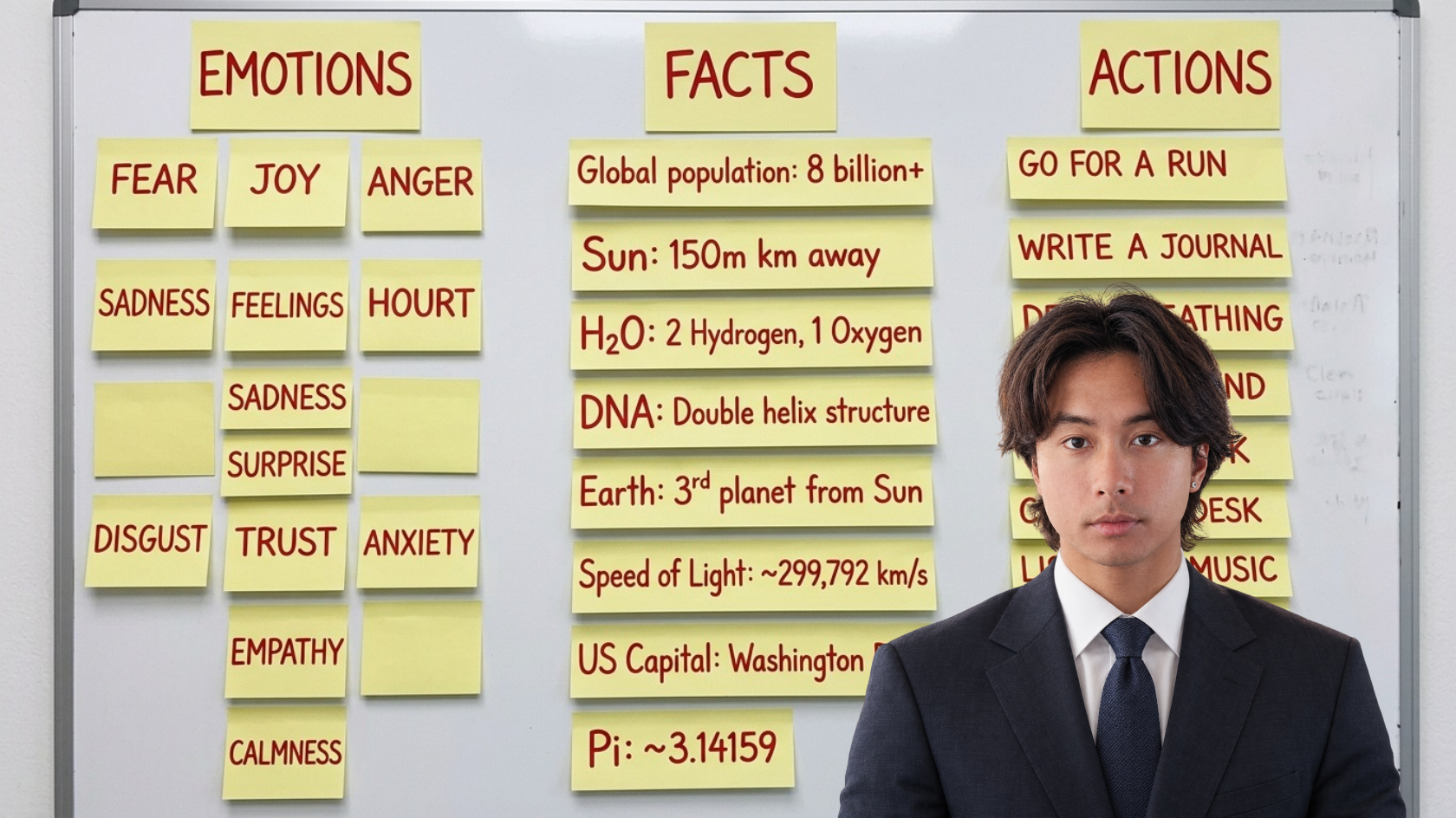
EFA: Emotion, Fact, Action
Mowat suggests a simple planning exercise. You will need:
- Post-it notes with all the info, key points of difference, the emotional reasons people use, and how you want to stand out
- As many stakeholders as you can persuade to give some of their time
- One marker pen
- One wall
Your first summary should cover:
- The goals of the video
- The audience of the video
- The strategic approach to the campaign
- How success will be measured
The Four Stages
“Video production runs in four stages: pre-production, production, post-production and delivery.”
My Problem With Planning
I have heard many times that you should treat videos like an art or a business. Other times I have heard the opposite, like Gary Vee saying don’t create, just document.
In my case, I usually pick up my phone or my camera and record wherever I am exploring or whatever I have been burning to share. There is almost no pre-production or planning. Because of that, I don’t think I attach a story or an emotion to my videos.
I will start using this framework. As I write these notes, the famous quote popped into my head: “Failing to plan is planning to fail.” And I surely do want to succeed.
The Power of Storytelling
Uri Hasson from Princeton talks in his TEDx talk about how the brains of the storyteller and the listener try to get in sync as we talk and listen.
Imagine I invented a device that could record my memories, my dreams and my ideas, then send them straight to your brain. That would be game-changing technology, right? But we already own this device. It is called the human communication system, and it works best with effective storytelling.
That shows just how powerful words and storytelling are.
After all the self-help and business management books I have read, I have come to believe that words are like a magic spell. They can change how people see their everyday beliefs. When my friends show too much negativity and self-doubt, I share a story I made up that carries the “magic power of words.”
A Simple Example
On what day, and at what exact moment, do a husband and wife become husband and wife? Before that they were fiancés, partners or boyfriend and girlfriend.
It happens on the day they get married, when a person of faith speaks the words, “Now I pronounce you husband and wife.” The wording is a little different in different cultures, but the principle is the same.
The power of words.
There is much more in this book, and I got most of this from just the first 26 pages in about an hour of reading. Stay tuned to explore more.